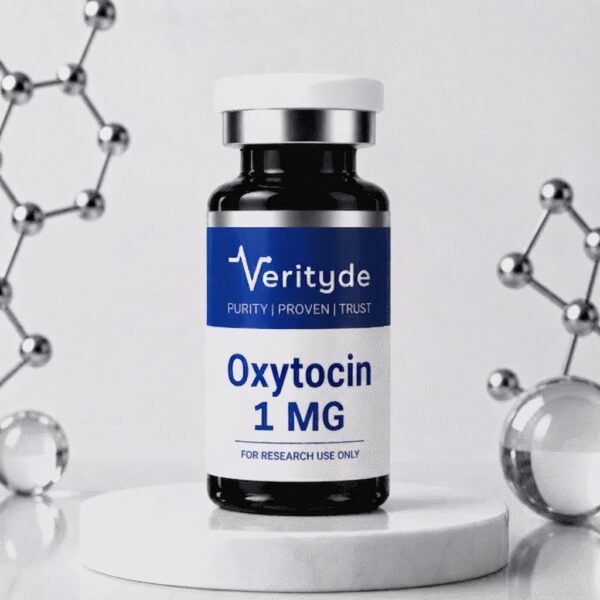
Oxytocin 1MG
In stock
$14.75
Quantity discounts
Product Description
Oxytocin
Product Overview
Oxytocin is a naturally occurring peptide hormone composed of nine amino acids. It is produced primarily in the hypothalamus and released into the bloodstream by the posterior pituitary gland. Oxytocin also functions as a signaling molecule within the central nervous system, where it interacts with specific oxytocin receptors to influence a variety of physiological and behavioral processes.
Oxytocin has been extensively studied for its role in uterine contractions, milk ejection during lactation, and reproductive physiology. Additional research has examined its involvement in social recognition, emotional processing, stress responses, and interactions between neuroendocrine and behavioral signaling pathways.
The biological effects of oxytocin depend on factors such as receptor distribution, the experimental setting, and the route of exposure. Although research has explored potential roles in social behavior and emotional regulation, findings are context-dependent and do not establish consistent therapeutic benefits for these applications.
Oxytocin is of scientific interest in research investigating peptide hormone signaling, receptor-mediated cellular responses, reproductive biology, and the relationship between neuroendocrine activity and behavior.
Key Research Areas
Oxytocin receptor activation and intracellular signaling pathways
Reproductive physiology and uterine contraction research
Lactation biology and milk-ejection mechanisms
Social recognition and behavioral neuroscience investigations
Neuroendocrine signaling and stress-response pathways
Peptide structure, stability, and analytical characterization
Handling & Reconstitution
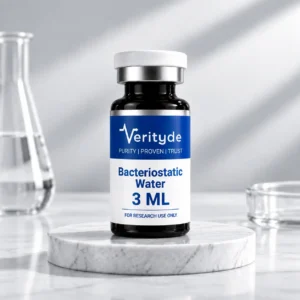
For laboratory use, reconstitute with Bacteriostatic Water (BAC) or sterile saline. After reconstitution, the solution should be stored at 2–8°C (36–46°F) and used within the appropriate experimental window to maintain peptide stability.
Researched for Cognitive, Neurological & Mental Health, Weight Management and Immune System & Cellular Repair